Simple steps to improve your facility's email security (before it's too late)
By Common Angle
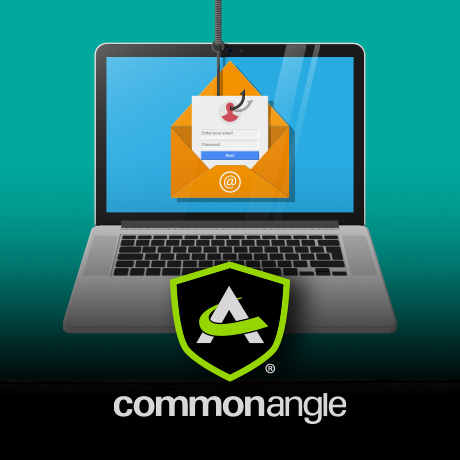
Email remains the number one attack vector for cybercriminals targeting healthcare facilities, and honestly? It's not hard to see why. Email is universal, trusted, and provides direct access to your staff. While your team receives dozens of legitimate emails daily, attackers only need one successful phishing email to compromise your entire network. Just one!
The healthcare industry sees more email-based attacks than any other sector, with cybercriminals specifically crafting messages that look like they're from pharmacies, insurance companies, or government agencies. They know exactly how to trick busy healthcare workers who are just trying to get through their day.
The human factor (aka why this is so tricky)
The challenge isn't just technical, it's deeply human. Your staff are caring, helpful people who want to respond quickly to requests, especially those that appear urgent or relate to resident care. Unfortunately, attackers exploit these exact qualities by creating emails that trigger immediate action. Think urgent requests for resident information or fake notifications about compromised accounts. They're basically weaponizing your team's desire to help, and it's infuriating.
Essential email security improvements you need today
Regular phishing training is your strongest defense. Don't settle for that annual training session everyone forgets about two weeks later. Instead, provide monthly mini-training sessions using real examples of phishing emails targeting healthcare facilities specifically. Show your team actual phishing attempts that look like messages from your pharmacy vendor or EMR provider. Make it interactive by having staff identify red flags and practice your reporting procedures. The goal isn't to make staff paranoid, but to help them recognize common attack patterns.
Multi-factor authentication on all email accounts provides critical backup protection. Even if someone's password gets compromised through phishing, MFA prevents attackers from accessing the actual email account. Most staff adapt quickly when they understand it's protecting not just facility data, but their own personal information too.
Advanced spam filters catch threats before they reach your staff. Basic spam filtering isn't enough anymore. You need solutions that analyze email content, sender reputation, and attachment types to identify sophisticated phishing attempts. Look for filters that quarantine suspicious emails for review rather than deleting them, giving you opportunities to train staff using real examples targeting your facility.
Clear email policies eliminate confusion. Establish simple rules: never provide sensitive information via email, always verify unusual requests through phone calls, and report suspicious emails immediately. Make sure staff know exactly who to contact about questionable emails and emphasize that reporting false alarms is always better than ignoring potential threats.
How are you really doing?
Do you have MFA enabled on all email accounts? When did you last provide phishing training? Can your spam filters detect emails impersonating trusted vendors? Do staff know who to contact about suspicious emails?
If you answered "no" or "I'm not sure" to any of these, you have immediate opportunities to strengthen your email security. The good news? Each improvement can be implemented quickly and provides immediate protection.
Remember, email security isn't just about technology. It's about empowering your staff to be your first line of defense against cyber threats.
Need help strengthening your email security? Give us a call at 888-4-IT-HEROES or schedule a free cybersecurity review to learn how we can help turn your email from a vulnerability into a strength.
Common Angle is a security-first MSP that's been safeguarding government medical care facilities for over a decade. Our focus on proactive, responsive service has earned us the role of Preferred IT & Cybersecurity Vendor for the MCMCFC since 2019.